Don’t miss anything! Sign up for my newsletter & join our Facebook community of 1,000+ like minded thinkers!
- Home
- Christian Cultural Commentary
Amusing Ourselves to Death Summary: A Christian Cultural Commentary
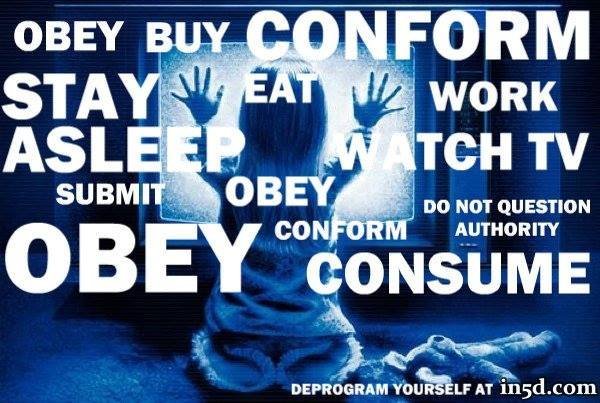
What if the purpose of our lives is not to be happy? How much of our lives are lived worshiping at the altar of amusement? Man has, in Aldous Huxley‘s phrase, “an infinite appetite for distraction.” Providing a Christian cultural commentary on the dangers of distraction, we find that Pascal told us “that the sole cause of man’s unhappiness is that he does not know how to stay quietly in his room” (Pensée 136).
In this post, I will explore this issue and hope it will not be another negative distraction.
As a college student, I used many distractions such as movies, girls, and even ministry to distract me from doing the things I should be doing. Now life is still full of distractions for me. Some of them are healthy and others not so.
What is the difference?
Explore More on This Topic ▼
- The Shadow of Doubt: Why Absolute Certainty in Faith Is Impossible
- What Is God? The Attributes of God, a Philosophical Lecture
- Good God: Interview with David Baggett
- Reason, God, and the Meaning of Life
- Is It Logical to Worship God? Exploring the Essential Attributes of God
- What Even God Cannot Do: Understanding God's Omnipotence
- Can We Be Good Without Believing in God?
Blaise Pascal and the Dangers of Distraction
Blaise Pascal distraction theories are central to his understanding of the human condition. Blaise Pascal (1623–1662) was a French mathematician, physicist, and philosopher who wrote about the existential struggle all of us — that is, all of us who think — have about death. The Pensées is his masterpiece. He focused on distraction as one of our main problems.
We live from one distraction or diversion to the next: sleep, work, driving, TV, reading, parties, fights, friends, homework, suffering, and again, sleep, work, driving, TV, etc. The cycle goes on and on. When do we sit down and be quiet with our own soul and God before it is too late? Can we even do that?
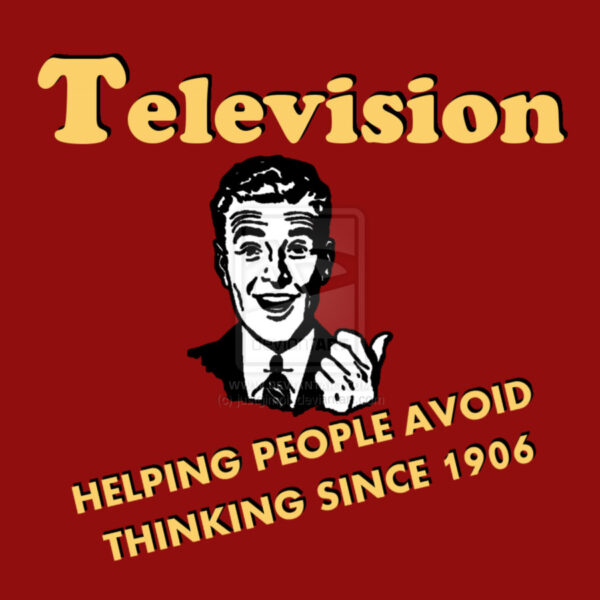
Justin Taylor rightly reminds us of Pascal’s ideas quite well. He notes that diversion cannot bring sustained happiness, since it locates the source of happiness outside of us; thus, our happiness is dependent on factors often beyond our control, so that we are “liable to be disturbed by a thousand and one accidents, which inevitably cause distress.” The power may go off, the screen may freeze, or the cell phone connection may break up. Worse yet, our own sensorium may break down as sight dwindles, hearing ebbs, olfactory awareness fades, and all manner of bodily pleasures become harder to find and easier to lose. As the Preacher of Ecclesiastes intones, “Remember your Creator in the days of your youth, before the days of trouble come, and the years draw near when you will say, ‘I have no pleasure in them’” (Eccl 12:1). [SOURCE]
Neil Postman: An Amusing Ourselves to Death Summary
I know of very few works that provide a better Amusing Ourselves to Death summary than the opening to the book by Neil Postman. Here, he explores the profound cultural shift in the Huxley vs Orwell debate:
“But we had forgotten that alongside Orwell‘s dark vision, there was another – slightly older, slightly less well known, equally chilling: Aldous Huxley‘s Brave New World. Contrary to common belief even among the educated, Huxley and Orwell did not prophesy the same thing. Orwell warns that we will be overcome by an externally imposed oppression. But in Huxley’s vision, no Big Brother is required to deprive people of their autonomy, maturity and history. As he saw it, people will come to love their oppression, to adore the technologies that undo their capacities to think.
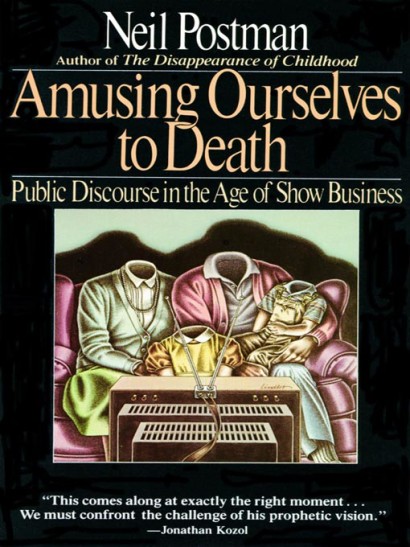
What Orwell feared were those who would ban books. What Huxley feared was that there would be no reason to ban a book, for there would be no one who wanted to read one. Orwell feared those who would deprive us of information. Huxley feared those who would give us so much that we would be reduced to passivity and egoism. Orwell feared that the truth would be concealed from us. Huxley feared the truth would be drowned in a sea of irrelevance. Orwell feared we would become a captive culture. Huxley feared we would become a trivial culture, preoccupied with some equivalent of the feelies, the orgy porgy, and the centrifugal bumblepuppy. As Huxley remarked in Brave New World Revisited, the civil libertarians and rationalists who are ever on the alert to oppose tyranny ‘failed to take into account man’s almost infinite appetite for distractions.’ In 1984, Orwell added, people are controlled by inflicting pain. In Brave New World, they are controlled by inflicting pleasure. In short, Orwell feared that what we fear will ruin us. Huxley feared that what we desire will ruin us.
This book is about the possibility that Huxley, not Orwell, was right.”
— Neil Postman, Amusing Ourselves to Death: Public Discourse in the Age of Show Business
Now, what then brings healthy distraction? Or what kinds of healthy breaks from business can we take from our daily stress and tasks, without sacrificing our final goal or purpose?
You cannot possibly answer this question if you don’t know what your purpose is.
What do you think?
NOTES: A summary of Amusing Ourselves to Death in PDF format is available here or here.
Exploring These Questions Personally
Some questions about faith and doubt cannot be resolved by arguments alone. They are lived, wrestled with, and experienced over time.
If you’d like thoughtful, non-judgmental ways to explore these questions more deeply, here are a few options:
Continue The Conversation
Wrestling with questions about God, faith, and meaning?
Join the newsletter for thoughtful reflections on belief, doubt, philosophy, and the search for truth, plus practical insights to live wisely, and believe courageously.
You Might Like These
Freedom of Speech: 8 Ways to Address the Lack of Free Speech
Explore 8 ways to defend freedom of speech on campus and protect freedom of expression through Christian social ethics.
Name Your Monster: What Rumpelstiltskin Can Teach Us
Discover how naming the hidden fears, beliefs, and patterns shaping your choices can weaken their control and help you reclaim clarity and freedom.